
Raising Alpacas for Fun and Profit
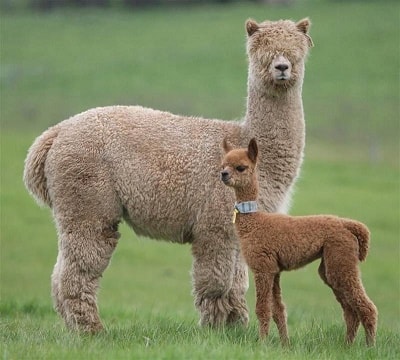 Alpacas
are bred for the fine soft wool they produce. Additionally, Alpaca wool has many
superior qualities including being hypoallergenic. Many alpaca
breeders spin their own wool and offer it
for sale.
Alpacas
are bred for the fine soft wool they produce. Additionally, Alpaca wool has many
superior qualities including being hypoallergenic. Many alpaca
breeders spin their own wool and offer it
for sale.
At a height of 32" to 39" and weighing up to 185 pounds,
the alpaca is considerably smaller than its cousin the llama. Alpacas
have a life expectancy of about 20 years.
Alpacas are herd animals and should be kept with at least one or two other alpacas. Also, male and female alpacas are kept separately to prevent indiscriminate breeding and cannot be bred artificially.
It is not unusual for alpaca breeders to bring a female to another farm for breeding to take advantage of a desirable male at that farm.
Q&A: Raising Alpacas
Are alpacas easy to care for?
Yes—compared to many livestock species, alpacas are relatively low‑maintenance. They need good pasture, fresh water, routine shearing, and basic veterinary care. Their gentle nature also makes them easy to handle.
How much land do I need for alpacas?
A common guideline is 1–2 alpacas per acre, depending on pasture quality. They’re light grazers and don’t tear up land the way horses or cattle can.
Do alpacas need shelter?
Absolutely. Alpacas thrive with a three‑sided shelter that protects them from rain, wind, and intense sun. In warm climates, shade and ventilation matter more than insulation.
What do alpacas eat?
Mostly grass and hay, plus a mineral supplement formulated for camelids. They have efficient digestive systems, so they eat less than you might expect.
Do alpacas get along with other animals?
Generally yes. They coexist well with goats, sheep, and horses. However, avoid housing them with aggressive dogs or animals that may chase them.
How often do alpacas need to be sheared?
Once per year—typically in spring. This keeps them cool and prevents heat stress, especially important in warm climates.
Are alpacas profitable?
They can be. Common revenue streams include selling fiber (yarn, roving, finished goods), breeding stock, agritourism, and manure for gardeners. Profitability depends on herd size, marketing, and local demand.
Do alpacas require special veterinary care?
They need annual vaccinations, parasite monitoring, occasional dental and toenail trimming, and a vet familiar with camelids.
Can alpacas live alone?
No. Alpacas are herd animals and become stressed if isolated. A minimum herd size of 2–3 alpacas is recommended.
What’s the difference between alpacas and llamas?
Alpacas are smaller and bred for fiber, while llamas are larger and often used as pack animals or guardians. Alpaca fiber is generally finer and softer.
How long do alpacas live?
Typically 15–20 years, sometimes longer with excellent care.
Florida Alpaca Farms Directory
| Business | Address | Phone | Website |
|---|---|---|---|
| LunaSea Alpaca Farm | 18810 Lone Dove Ln, Clermont, FL 34715 | (352) 223-9457 | Visit Website |
| Florida Alpaca Llama Association | 8751 US-301, Hawthorne, FL 32640 | Not Publicly Listed | Visit Website |
| Funny Farm Alpacas | 718 W Rusk Ln, Lecanto, FL 34461 | (352) 228-3251 | Visit Website |
| Golden Spirit Alpaca Ranch | 10937 Tarpon Springs Rd, Odessa, FL 33556 | (727) 809-2253 | Visit Website |
- LunaSea Alpaca Farm in Clermont, FL offers interactive tours where you can learn about and hand-feed alpacas and llamas. It’s a great place for families, events, and learning about raising alpacas.
- Florida Alpaca Llama Association in Hawthorne, FL focuses on educating the public about breeding, raising, and caring for llamas and alpacas. This is an excellent place to start your research on raising llamas and alpacas.
- Funny Farm Alpacas in Lecanto, FL provides opportunities to visit and learn about alpacas and llamas. They have specific visiting hours and offer a hands-on experience. There is nothing like being on an actual farm and observing all the infrastructure that goes along with raising these animals.
- Golden Spirit Alpaca Ranch in Odessa, FL is another excellent spot where you can learn about the care and feeding of these fine animals and interact with alpacas and llamas.
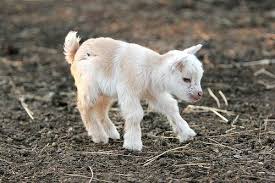
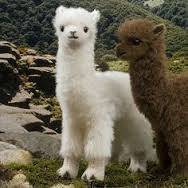
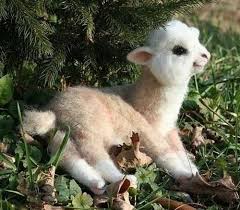
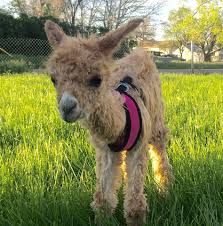
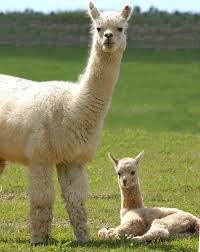
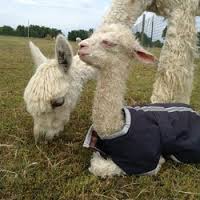
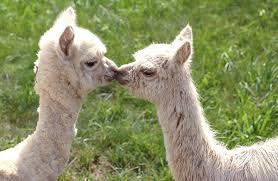
Baby Alpaca Pictures

Florida Llamas for Sale
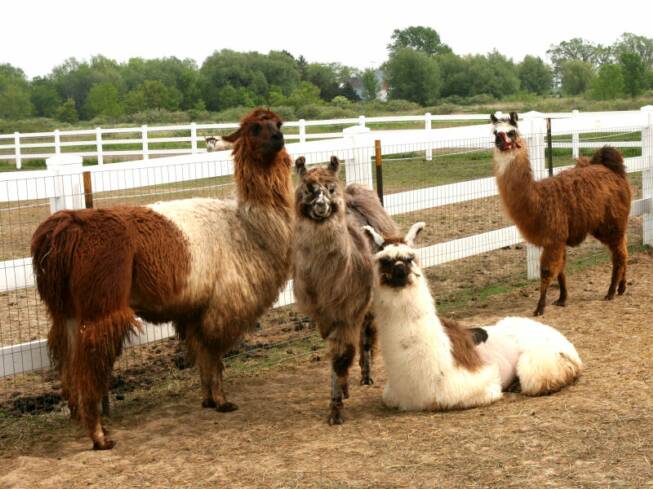 Florida llamas for sale.
Most llama
breeders in the United States specialize in show animals. Llamas are the from
the same camelids species as the alpaca, but are much larger. Llamas are widely
used as meat and pack animals in South America.
Florida llamas for sale.
Most llama
breeders in the United States specialize in show animals. Llamas are the from
the same camelids species as the alpaca, but are much larger. Llamas are widely
used as meat and pack animals in South America.
At a height of 5'6" to 5'9" and weighing up to 440 pounds, llamas are imposing figures in the pasture. At birth, a baby llama which is called a cria and can weigh between 20 and 31 lb. Llamas have a life expectancy of 15 to 25 years, with some individuals surviving 30 years or more.
Llamas are docile and intelligent and can easily be taught simple tasks after a few repetitions. Llamas are very social animals and prefer the company of other llamas. Generally it is a good idea to have at least two females and one male at a minimum. Llama wool is very soft and lanolin-free.
Baby llamas
There are several llama farms in Florida where you can visit and interact with these fascinating animals.Llamas for Sale
If you’re interested in purchasing llamas, Redemptive Love Farm in Miccosukee and HisWay Farm and Exotics in Bell are notable places that sell llamas and offer farm tours.How to Start an Alpaca Farm
Watch This Informative Video to Start
There is an old adage in business that applies to all new ventures: Nobody plans to fail, they just fail to plan.
Alpaca Farm - Baby Alpacas - Cria
If you are thinking of starting an Alpaca farm you have only just
begun the first step of the journey. You have to start with an
understanding of all of the technical issues involved with raising
these animals which in some ways are unique from standard farm
animals.
The best way to do this is to read books written by professionals such as veterinarians, college instructors with appropriate credentials, and people who have been operating successful alpaca enterprises. You want to know facts before you start listening to opinions because you will get plenty of opinions.
Talk to Successful Alpaca Farmers
After you think you know enough facts to separate the wheat from the chaff, you can start talking to successful alpaca farmers. You should talk to at least eight good sources to get a feel about the good, bad, and ugly parts of the business. At this point you might find that this is not the right fit for you and you can walk away with little investment in time and treasure.
Operations
For example, you might find out there are no veterinarians within hours of your planned farm that will treat camelids (alpacas and llamas.) Are you ready to take on those duties or to have to put down a sick animal? Breeding animals takes a certain type of fearless person who is knowledgeable and willing to do what it takes. Are you that person?
Do Your Financial Homework
Be sure you do you homework before investing money. In addition to understanding the operational part of the business, you have to make a financial plan to see if the business is going to make sense. This takes an understanding of accounting and finance. If you don't have that background, work with a CPA.
How To Start an Alpaca Farm
This site may contain affiliate links. If you click and make a purchase, we may earn a small commission at no extra cost to you.
© 2026 WellingtonHorse.com
Privacy Policy | About | Contact | Tryon International | Ocala Equestrian | Equestrian Store | Horse Show News | Horses For Sale | Florida Farm Animals | Florida Zoos